Stereo Recording Techniques · topic 1.2 Recording[20 marks]
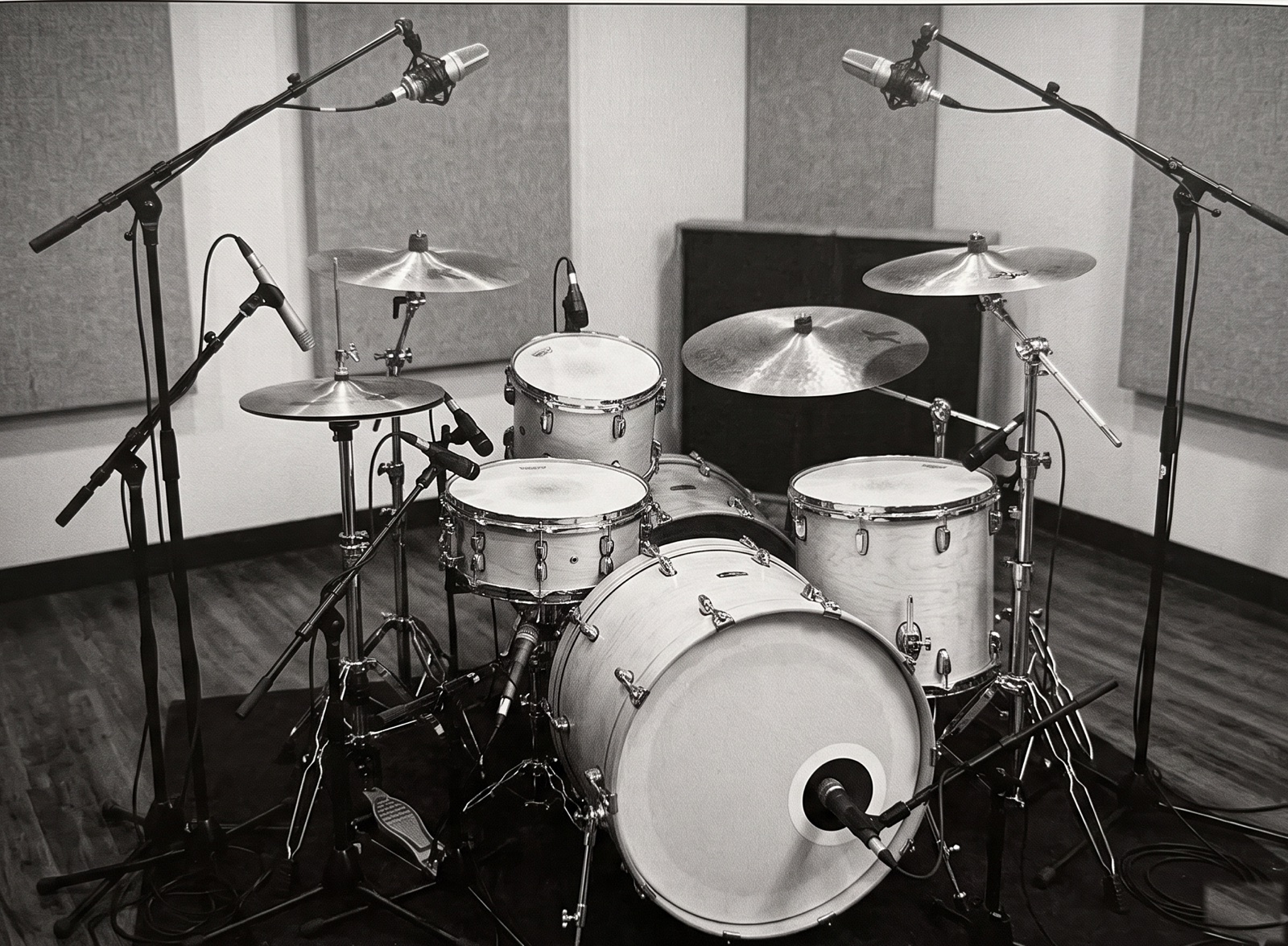
A spaced pair uses two omnidirectional microphones placed several feet apart, typically either side of the sound source. The stereo image is created by time-of-arrival differences: sound reaches the closer microphone first, and our ears interpret this delay as spatial position. This produces a wide, natural-sounding stereo field that captures the ambience of the recording space effectively.
However, spaced pairs can suffer from phase cancellation when summed to mono. Because the microphones are physically separated, the same sound arrives at slightly different times, and when these signals are combined, certain frequencies cancel out. This is a significant limitation for any content that might be played back in mono, such as club PA systems or smartphone speakers.
A coincident pair, often called XY, places two cardioid microphones with their capsules as close together as possible, angled between 90 and 135 degrees apart. Because the capsules are at essentially the same point in space, the stereo image relies entirely on intensity differences rather than timing. This means there are no phase issues when summed to mono, making XY a reliable choice for broadcast work.
The trade-off is that an XY pair produces a narrower stereo image compared to a spaced pair. The recording can sound less spacious and immersive, which may not suit orchestral or ambient recordings where a sense of width is important.
Mid-side recording uses two microphones: a forward-facing cardioid (the mid) and a sideways-facing figure-of-eight (the side). The side signal is duplicated, with one copy phase-inverted, and the two copies are panned left and right. By adjusting the level of the side signal relative to the mid, the engineer can control the stereo width after recording. This post-production flexibility is what makes mid-side particularly valued in broadcast and film work.
When the side signal is removed entirely, only the mid cardioid remains, giving perfect mono compatibility. This is why mid-side is the preferred technique for television broadcast, where mono playback must be guaranteed.
In conclusion, the choice of stereo technique depends on the recording context. Spaced pairs deliver the widest stereo image but risk phase problems. XY offers reliable mono compatibility at the cost of width. Mid-side provides the most flexibility, allowing stereo width to be adjusted after recording, making it ideal for situations where both stereo and mono playback are required.